


Hidden Plumbing Problems That Cost Homeowners Thousands (and How to Catch Them Early)
 Reviewed by Brendan Lee, C-36 Licensed Plumbing Contractor
|
Published February 20, 2026
|
Updated August 6, 2026
|
6 min read
|
C-36 Licensed Plumbing Contractor, Lic. #1127602
Reviewed by Brendan Lee, C-36 Licensed Plumbing Contractor
|
Published February 20, 2026
|
Updated August 6, 2026
|
6 min read
|
C-36 Licensed Plumbing Contractor, Lic. #1127602
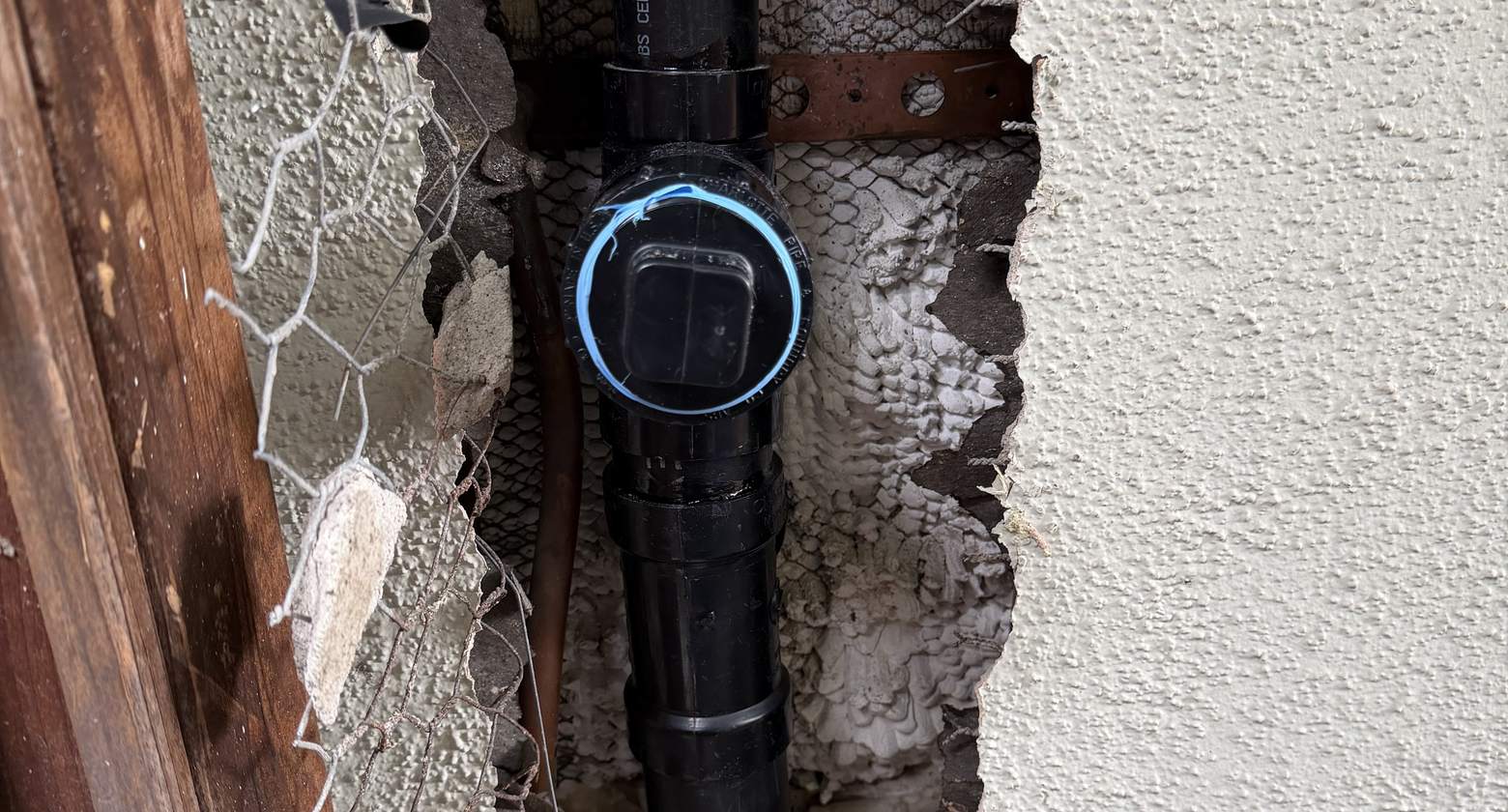
The hidden plumbing problems that cost the most are slab leaks, internally corroding pipes, and damaged sewer lines. Watch for rising bills, damp or musty areas, mold, falling pressure, and running-water sounds with fixtures off. Early detection with acoustic, thermal, and camera tools keeps the repair small and the damage contained.
The plumbing failures that cost four and five figures almost never start big. They start as a pinhole, a root tip in a pipe joint, or a fitting weeping one drop at a time inside a wall, and they stay invisible while the damage compounds.
This post is about the three problems that do the most financial damage in the homes we serve, the early signals each one gives, and why early detection is the entire ballgame.
Which hidden problems cost homeowners the most?
Slab leaks. A supply line leaking under the foundation runs around the clock, saturating soil and wicking moisture up into flooring and walls. Because the line is pressurized, it never gets to rest, and because it is under concrete, nobody sees it. We wrote a full guide to slab leak warning signs; the short version is that the house tells you indirectly, through bills, warm spots, and sounds.
Corroded and deteriorating pipes. Galvanized supply lines and cast iron drains from mid-century construction fail from the inside out. The outside of the pipe looks fine while the wall thins, and the first visible evidence is often the failure itself. Much of the original Conejo Valley housing stock is at exactly this age, and the region’s hard water speeds the buildup along.
Sewer line damage. Roots, soil movement, and age crack and block the buried lateral. Ignored long enough, it stops being a plumbing repair and becomes a backup into the house, with contamination cleanup on top. The patterns to watch are in our sewer line guide.
What warning signs should you never ignore?
- A water bill that climbs without a habit change. The meter is the one witness that never misses a leak.
- Damp flooring, warped boards, or a musty smell that keeps returning to one area.
- Mold appearing on walls, baseboards, or cabinet interiors.
- Water pressure sliding downward, house-wide or room by room.
- The sound of running water when every fixture is off.
Individually, each of these has innocent explanations. Two or more together is a pattern, and patterns deserve a meter test: everything off, 20 minutes, any movement means water is flowing. The EPA estimates household leaks waste nearly 10,000 gallons per home per year, and the expensive ones are precisely the ones you cannot see.
Why does early detection change the math so much?
Because with hidden water problems, you are paying for two things: the plumbing fix, and everything the water touched while it ran. The first cost stays fairly flat over time; the second compounds week by week, through flooring, drywall, framing, and mold. Water damage categories account for roughly a quarter of homeowners insurance losses per the Insurance Information Institute, and insurers distinguish sudden accidents from long-term neglect when they decide what to cover.
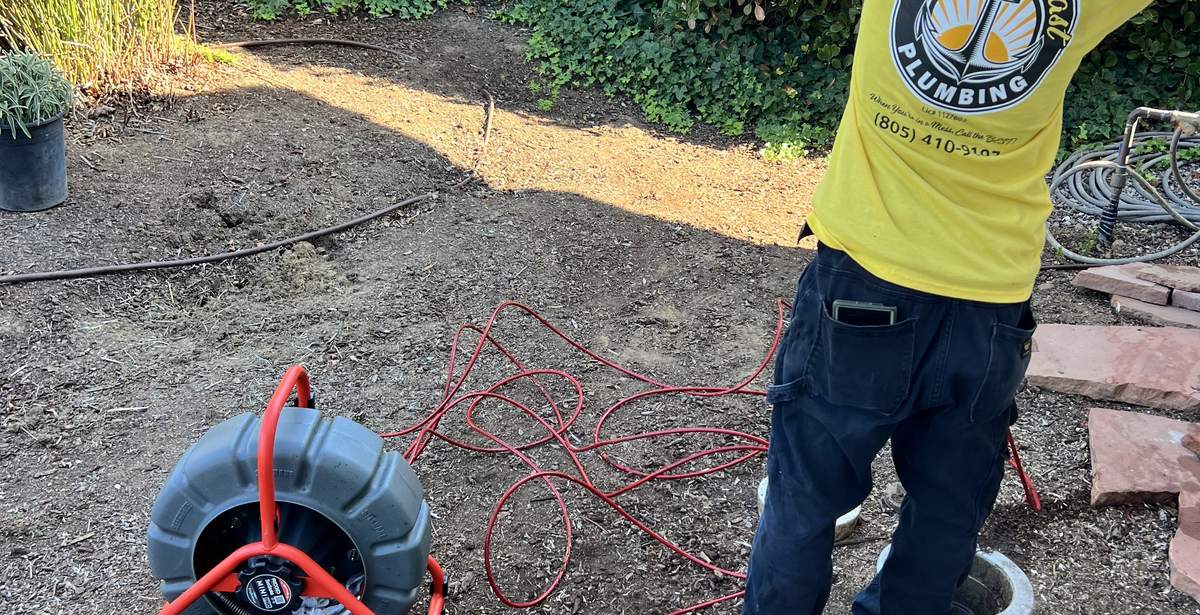
Modern detection is what makes early action practical. Acoustic listening gear, pressure isolation testing, thermal imaging, and sewer cameras locate problems precisely without exploratory demolition, so the repair happens at one marked spot instead of behind three guessed-at walls. Our water line and sewer line teams both work camera-first and detection-first for exactly this reason.
When should you bring in a professional?
Sooner than feels necessary, and specifically at these moments: when two or more warning signs appear together, when you are buying a home older than about 40 years, before any major remodel, and after any first slab leak or major pipe failure (materials of the same age tend to fail in clusters, a pattern we explain in why plumbing keeps breaking).
A detection visit is quick, non-invasive, and ends with you knowing what is actually happening in your house, which is worth more than any other single thing in home maintenance.
Best Coast Plumbing provides camera inspections and plumbing repairs across Thousand Oaks and the surrounding Ventura and LA County communities. When specialized leak detection is needed, we can refer or coordinate with a qualified leak-detection contractor. Call (805) 410-9197 for a free estimate.
Questions Homeowners Ask Us