


Do I Have a Slab Leak? 7 Signs Southern California Homeowners Shouldn’t Ignore
 Reviewed by Brendan Lee, C-36 Licensed Plumbing Contractor
|
Published April 7, 2026
|
Updated August 6, 2026
|
6 min read
|
C-36 Licensed Plumbing Contractor, Lic. #1127602
Reviewed by Brendan Lee, C-36 Licensed Plumbing Contractor
|
Published April 7, 2026
|
Updated August 6, 2026
|
6 min read
|
C-36 Licensed Plumbing Contractor, Lic. #1127602
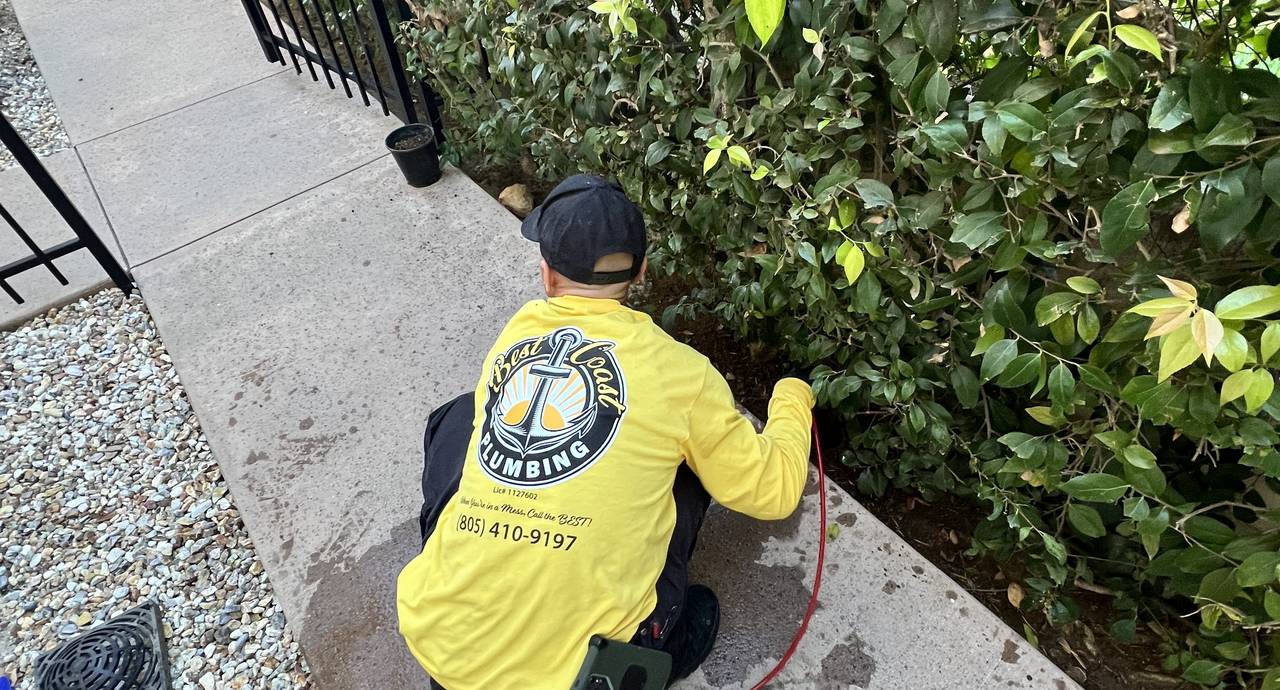
A slab leak is a leak in a water line under your home’s concrete foundation. The seven signs to watch for are an unexplained water bill increase, warm or damp floor spots, running-water sounds with fixtures off, new floor or wall cracks, musty odors, reduced pressure, and water pooling at the foundation edge.
A slab leak is a leak in a water line running beneath the concrete foundation your home sits on. Because the pipe is buried under the slab, the leak has no drip to see and no cabinet to stain. It announces itself indirectly, which is why so many slab leaks run for months before anyone finds them.
Southern California homes are particularly acquainted with them: large swaths of our housing stock sit on slab foundations with copper supply lines run underneath, and decades of soil movement, water chemistry, and pressure do their slow work on those lines.
What are the seven signs of a slab leak?
- An unexplained jump in your water bill. The leak runs 24 hours a day, and the meter counts every gallon. The EPA’s leak data says one home in ten has a leak wasting 90 or more gallons daily, and slab leaks are among the biggest offenders.
- Warm or damp spots on the floor. A warm patch on tile or wood often sits directly above a leaking hot water line. Pets napping on one specific spot of bare floor is a surprisingly common first clue.
- The sound of running water when everything is off. A faint hiss or rush with all fixtures closed means water is moving somewhere it should not be.
- New cracks in floors or walls. Water undermining the soil beneath a slab can cause settling, which shows up as cracked tile, drywall cracks, or doors that suddenly stick.
- Musty odors or mold. Moisture wicking up through the slab feeds mold under carpets and inside walls long before standing water appears.
- Reduced water pressure. A supply-side leak bleeds pressure from the whole system, most noticeable when more than one fixture runs at once.
- Water pooling outside the foundation. With no rain and no irrigation to explain it, water surfacing at the slab edge is a strong signal.
Why are slab leaks such a big deal?
Because everything they damage is expensive: flooring, framing, and the foundation itself. Sustained moisture also creates the conditions mold needs. Water damage categories account for roughly a quarter of homeowners insurance losses per the Insurance Information Institute, and slab leaks contribute some of the worst cases because of how long they run undetected. The cost curve on a slab leak is steep: caught early it is a plumbing repair, caught late it is a construction project.
How do professionals confirm a slab leak without tearing up the floor?
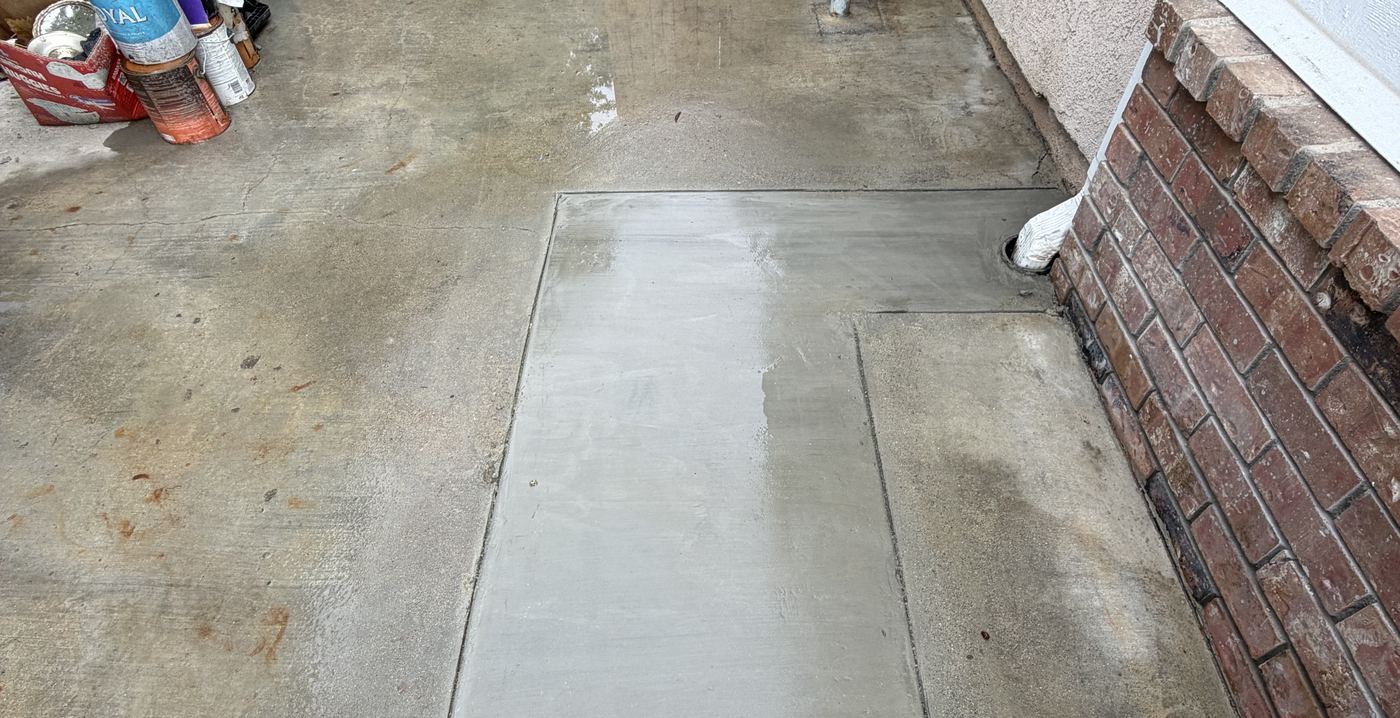
Nobody should be breaking concrete to look for a leak. Detection comes first, using tools that find the leak from the surface:
- Acoustic listening equipment that hears pressurized water escaping through the slab.
- Pressure isolation testing that confirms which line is losing pressure, hot or cold, and how fast.
- Thermal imaging that maps the heat signature of a hot-side leak across the floor.
Once the leak is located, the repair options range from opening the slab at one precise spot, to rerouting that line overhead, to repiping if the system is at an age where this leak is just the first of several. An honest contractor walks you through which one fits your situation and why; our water line repair and repiping service covers all three paths.
Can slab leaks be prevented?
Partially. You cannot control soil movement, but you can control the two accelerants: water pressure and water chemistry. Static pressure over 80 psi (the threshold at which the Uniform Plumbing Code requires a regulator) works every pipe in the house harder, including the ones under the slab. If your home has had one slab leak already, take it seriously as data: lines of the same age and material tend to fail in clusters, which is why we sometimes recommend repiping over a third or fourth spot repair. Our post on why plumbing keeps breaking explains that pattern.
Best Coast Plumbing provides slab leak repairs and water line repair throughout Thousand Oaks, the Conejo Valley, and nearby Ventura and LA County communities. When specialized leak detection is needed to pinpoint the leak, we can refer or coordinate with a qualified leak-detection contractor, then handle the repair. If something on this list sounds like your house, call (805) 410-9197.
Questions Homeowners Ask Us