


What Your Home’s Plumbing Is Trying to Tell You: 7 Warning Signs You Should Never Ignore
 Reviewed by Brendan Lee, C-36 Licensed Plumbing Contractor
|
Published July 6, 2026
|
Updated August 6, 2026
|
6 min read
|
C-36 Licensed Plumbing Contractor, Lic. #1127602
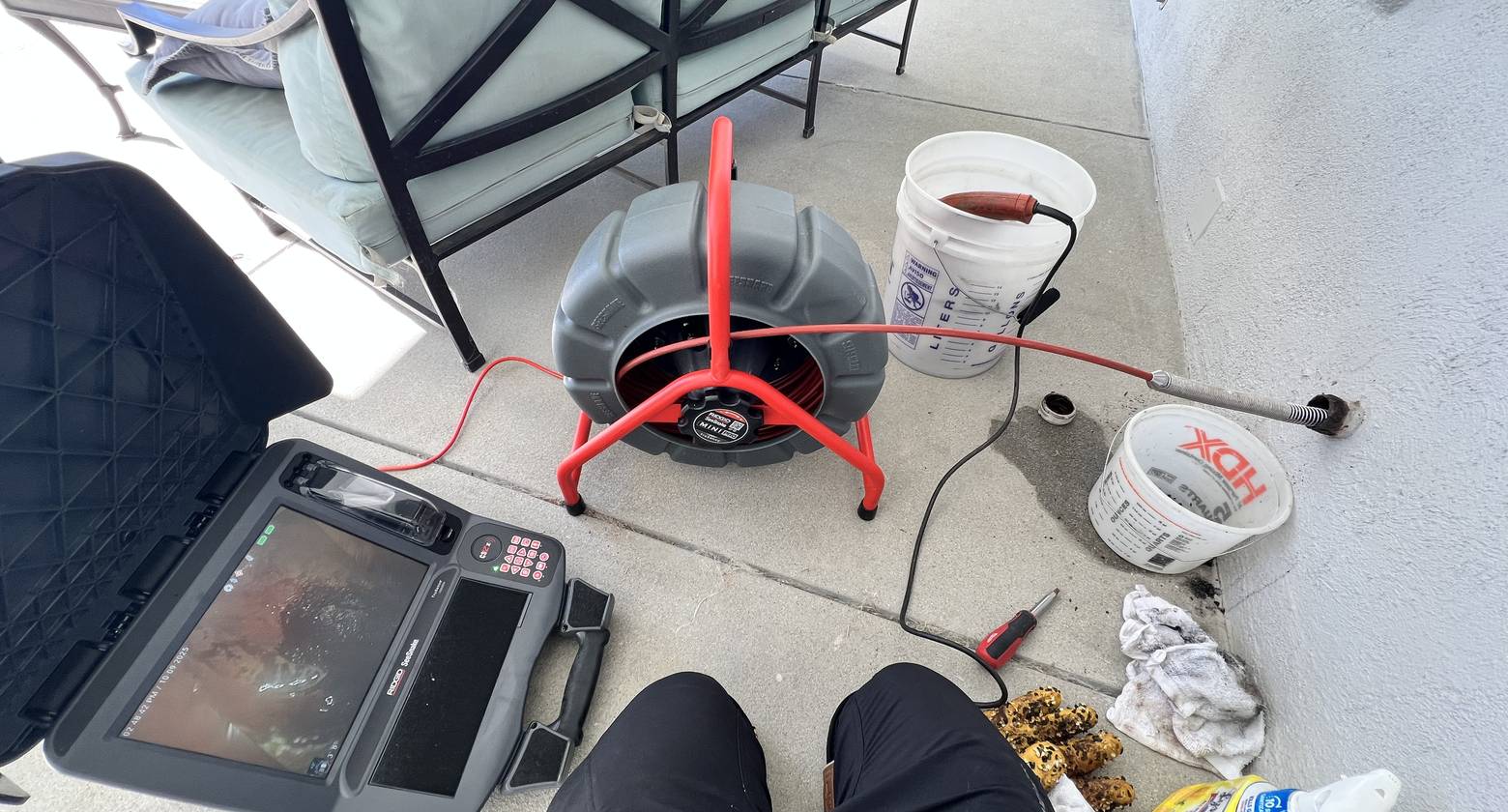
The seven warning signs worth acting on are an unexplained water bill increase, slow drains, gurgling sounds, changed water pressure, sewer odors, recurring clogs, and water stains on walls or ceilings. Each one usually appears weeks or months before a major failure, which is exactly the window where repairs stay small and affordable.
Plumbing systems rarely fail without warning. Almost every burst pipe, sewer backup, or flooded kitchen we respond to was preceded by weeks or months of small signals that were easy to dismiss.
The hard part is knowing which noises, smells, and quirks are harmless and which ones are your house asking for help. These are the seven signs we tell every customer to take seriously, and what each one usually means.
1. Why did my water bill jump for no reason?
If your household habits have not changed but the bill has, water is going somewhere you cannot see. The EPA’s WaterSense program estimates the average family’s leaks waste nearly 10,000 gallons a year, and a single faucet dripping once per second wastes more than 3,000 gallons annually. A meter test is the quickest first check: with everything off, the meter should not move.
2. What do slow drains actually mean?
One slow drain is usually local buildup of hair, soap, or grease. Several slow drains at once are a different story: that pattern points at the main line, not the fixtures. Before reaching for a bottle of chemicals, read our post on why professional drain cleaning beats store-bought chemicals. If the same drain keeps slowing down after every cleaning, the pipe itself is likely the problem.
3. Should I worry about gurgling sounds?
Gurgling from a drain or toilet is trapped air moving through water, and air only gets trapped when something is blocking or restricting the line. When a toilet gurgles while the shower drains, or a kitchen sink talks back when the washing machine empties, the fixtures are sharing a restricted line. That is one of the earliest signs of a developing sewer line problem, and it is much less expensive to address at the gurgling stage than at the backup stage.
4. What causes water pressure to change?
A gradual pressure drop usually means corrosion or mineral buildup narrowing the pipes, a failing pressure regulator, or a hidden leak bleeding off supply. A sudden drop at one fixture is often just a clogged aerator, which you can clean yourself. A house-wide change is worth a professional look. We wrote a full breakdown in low water pressure isn’t normal.
5. What is that sewer smell?
A persistent sewage odor means one of three things: a dried-out trap in a rarely used drain (pour a pitcher of water down it), a blocked or damaged vent stack, or a compromised sewer line. If refilling the traps does not clear the smell within a day, stop guessing. Sewer gas indoors is a health issue, not just a nuisance.
6. Why does the same fixture keep clogging?
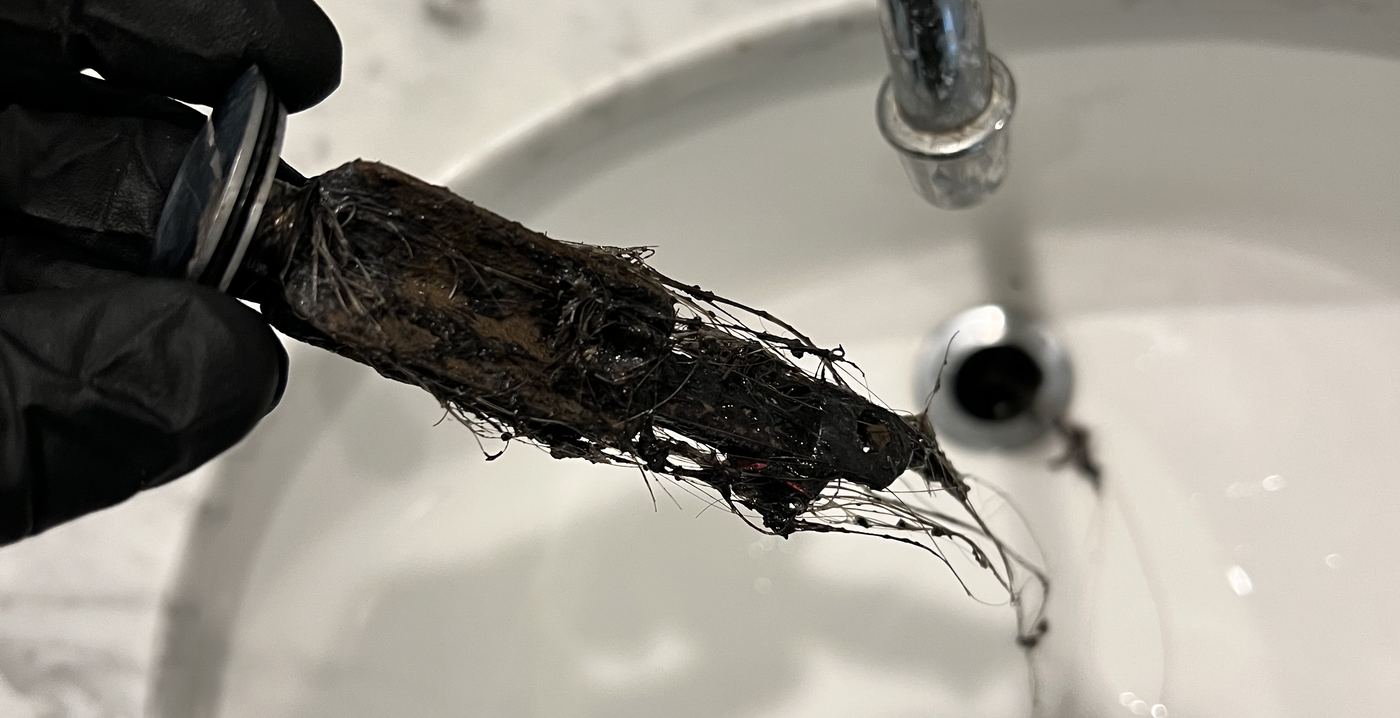
A clog that returns every few weeks is not bad luck. Something structural is catching debris: a pipe belly holding water, root intrusion, a corroded section, or scale buildup. Snaking restores flow temporarily, but a recurring clog earns a camera look. Our post on why drains keep clogging covers what homeowners usually get wrong here.
7. Are water stains on walls or ceilings urgent?
Yes. By the time a stain shows through drywall, the leak has been running for a while. According to the Insurance Information Institute, water damage and freezing account for roughly a quarter of all homeowners insurance losses, and the slow hidden leaks are the ones that rot framing and feed mold. Soft spots, bubbling paint, and warped flooring belong in the same category: investigate now, not later.
When should you stop watching and call?
- Any sign involving sewage smell, sewage backup, or water where it should not be: call now.
- Two or more signs at once (slow drains plus gurgling, pressure drop plus a bill spike): call soon, the pattern matters more than any single symptom.
- One mild, isolated symptom: watch it for a week or two, and mention it the next time a plumber is out.
Best Coast Plumbing answers the phone 24/7 and serves Thousand Oaks and the greater Ventura and LA County area. If your house is telling you something from this list, call (805) 410-9197 and we will help you figure out what it means.
Questions Homeowners Ask Us