


Why Your Drains Keep Clogging (And What Most Homeowners Get Wrong)
 Reviewed by Brendan Lee, C-36 Licensed Plumbing Contractor
|
Published June 5, 2026
|
Updated August 6, 2026
|
6 min read
|
C-36 Licensed Plumbing Contractor, Lic. #1127602
Reviewed by Brendan Lee, C-36 Licensed Plumbing Contractor
|
Published June 5, 2026
|
Updated August 6, 2026
|
6 min read
|
C-36 Licensed Plumbing Contractor, Lic. #1127602
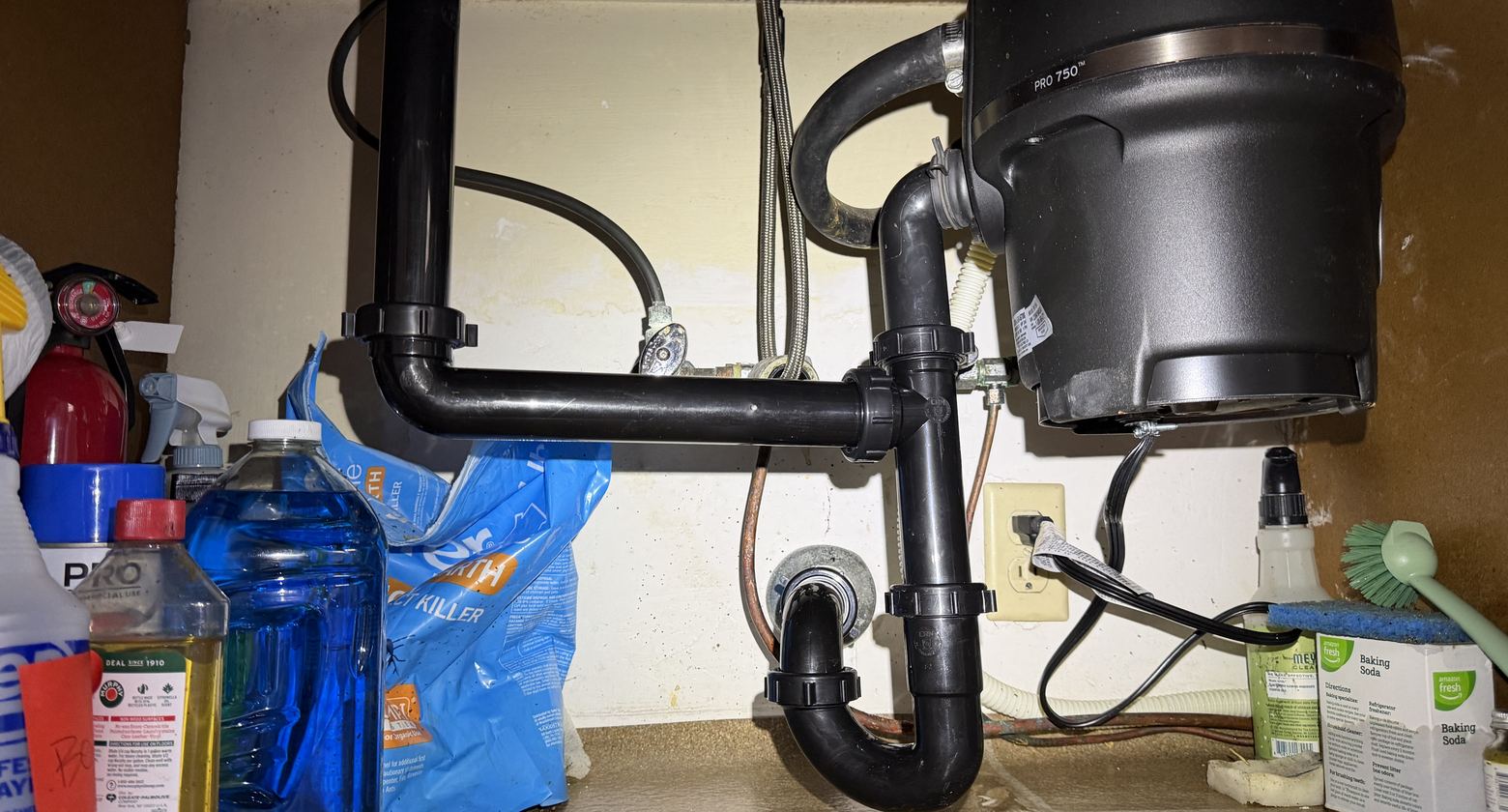
Drains keep clogging because the underlying cause never gets removed: hardened grease or soap buildup coating the pipe walls, a sagging or corroded line, root intrusion, or a partial blockage left behind by quick fixes. Clearing the clog restores flow; a camera inspection and a cause-matched fix like hydro jetting ends the cycle.
If you are clearing the same drain every couple of months, you already suspect the truth: this is not normal, and it is not bad luck.
A healthy drain line can swallow decades of ordinary use without complaint. When one keeps clogging, something specific is causing it, and most of the frustration homeowners feel comes from treating the symptom instead of finding that cause.
What actually causes drains to clog again and again?
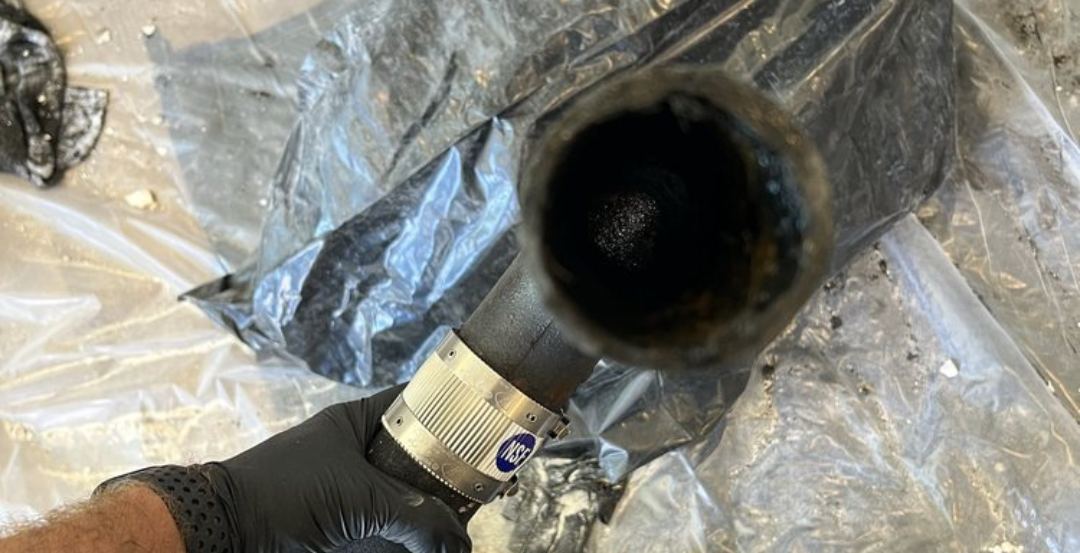
In kitchens, the usual culprit is grease and food residue coating the pipe walls. Fats go down as liquid, cool inside the line, and harden into a layer that catches everything that follows. In bathrooms, hair and soap scum do the same job. Each cleaning punches a hole through the buildup, the hole closes back up, and the cycle repeats.
But when a drain re-clogs quickly no matter how carefully you use it, the pipe itself is usually the problem: a sag (called a belly) that holds standing water, corrosion roughening the pipe interior, root intrusion, or a partial blockage further down the line that never got fully removed.
What do homeowners get wrong about recurring clogs?
Three mistakes come up constantly on our drain cleaning calls:
- Trusting chemical cleaners. Store-bought drain chemicals may open a small hole through a clog, but they rarely remove it, and repeated use generates heat that damages older pipes. We cover this fully in professional drain cleaning vs. store-bought chemicals.
- Believing the “flushable” label. Flushable wipes, paper towels, and hygiene products do not break down the way toilet paper does. They snag on any rough spot and become the skeleton of the next clog.
- Treating each clog as a one-off. The third clog in the same line within a year is a pattern, and patterns have causes. Paying for the same snaking over and over costs more than diagnosing the line once.
How do professionals actually fix it for good?
The honest answer starts with looking, not guessing. A camera inspection shows the inside of the line: where the buildup is, whether roots are in it, and whether the pipe has sagged or broken. From there, the fix matches the cause.
For heavy grease and scale, hydro jetting scours the full diameter of the pipe clean with high-pressure water instead of punching a hole through the middle. For root intrusion or a failed section, the answer is a repair, and pretending otherwise just schedules the next backup. When the problem sits past the house line, it becomes a sewer line issue, which we wrote about in when drain clogs become a bigger problem.
What can you do to keep drains clear?
- Scrape grease and oil into the trash, never the sink. Wipe greasy pans with a paper towel before washing.
- Use simple mesh strainers in showers and bathroom sinks. They cost almost nothing and catch the hair that starts most bathroom clogs.
- Flush nothing but toilet paper and what your body produces, regardless of what the packaging says.
- Run plenty of hot water after using a garbage disposal, and use the disposal for scraps, not as a second trash can.
- If a drain slows down, deal with it while it still drains. A slow drain is a partial clog you can schedule around; a stopped drain picks its own timing.
One local note from our own jobs: a lot of the homes we serve in Thousand Oaks and the older Conejo Valley neighborhoods were built in the 1960s and 70s, and many still have their original drain lines. Original-era cast iron and galvanized pipe is at the age where interior corrosion catches debris no matter how careful the household is. If that is your situation, a camera inspection tells you exactly where the line stands and how much life it has left.
The bottom line
Recurring clogs are a message from the pipe, and the message is almost never “buy stronger chemicals.” Find the cause once, fix it once, and the problem stays fixed.
Best Coast Plumbing provides drain cleaning, hydro jetting, and camera inspections across Thousand Oaks and the surrounding Ventura and LA County communities. Call (805) 410-9197 for a free estimate.
Questions Homeowners Ask Us