


Why Your Plumbing Keeps Breaking: 5 Problems That Often Have the Same Root Cause
 Reviewed by Brendan Lee, C-36 Licensed Plumbing Contractor
|
Published July 6, 2026
|
Updated August 6, 2026
|
6 min read
|
C-36 Licensed Plumbing Contractor, Lic. #1127602
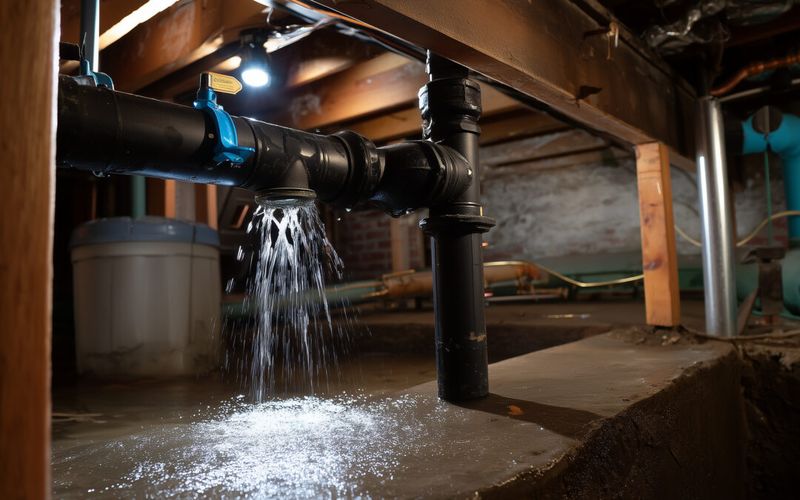
Plumbing that keeps breaking usually isn’t bad luck. Recurring clogs, leaks, low pressure, water heater trouble, and sewer backups often trace back to one root cause, like high water pressure, aging pipes, hard water, or a damaged line. Diagnose the source once instead of paying to treat symptoms over and over.
Many homeowners treat plumbing problems as isolated incidents. A clogged drain gets cleared. A leak gets repaired. A fixture gets replaced.
But what if those problems aren’t actually separate?
On our service calls across Thousand Oaks and the Conejo Valley, we regularly find that a house’s “streak of bad luck” traces back to one underlying condition. Fix that condition once and the streak ends; keep treating symptoms and you pay for the same repair in new costumes.
What root causes connect these problems?
Four conditions do most of the connecting. Here is how the symptoms map to them:
| Recurring symptom | Root causes that commonly drive it |
|---|---|
| Drain clogs that keep returning | Damaged or sagging drain lines, root intrusion, decades of buildup |
| Leaks appearing in different places | High water pressure, aging pipes, corrosion, failing fittings |
| Low or falling water pressure | Corroded galvanized pipe, hidden leaks, a failing pressure regulator |
| Water heater struggling or noisy | Hard water scale, sediment, high inlet pressure |
| Sewer backups | Tree roots, pipe misalignment, an aging lateral |
1. Why do the same drains keep clogging?
If the same sink, shower, or drain continues to clog despite repeated cleanings, there is more going on than a simple blockage.
Damaged drain lines, pipe bellies, root intrusion, and years of buildup all create recurring drainage problems. A drain cleaning restores flow temporarily, but the lasting fix comes from a camera look at the pipe itself. We wrote a full breakdown in why your drains keep clogging.
2. Why would leaks show up all over the house?
When leaks start appearing in different areas of the home, homeowners usually chalk it up to coincidence. In reality, excessive water pressure, aging pipes, corrosion, or deteriorating fittings put stress on the entire system at once, so failures cluster.
Two numbers put this in perspective. The Uniform Plumbing Code, published by IAPMO, requires a pressure regulator above 80 psi because sustained high pressure works every joint and hose in the house. And the EPA’s leak statistics show household leaks wasting nearly 10,000 gallons per home per year, with one home in ten leaking 90 gallons or more per day. Solving the pressure or piping problem, sometimes with targeted water line repair or repiping, is what stops the next leak from being scheduled behind the current one.
3. What is low water pressure trying to tell you?
Low water pressure is frustrating, but replacing fixtures isn’t usually the answer. Corrosion inside older pipes, hidden leaks, mineral buildup, and failing pressure regulators all restrict flow throughout the home, and each has a different fix.
The diagnostic order matters: a two-minute gauge test at a hose bib, a meter test for leaks, then a look at pipe material and age. Our guide to what low water pressure means walks through all five causes and their tells.
4. Is hard water wearing out your water heater?
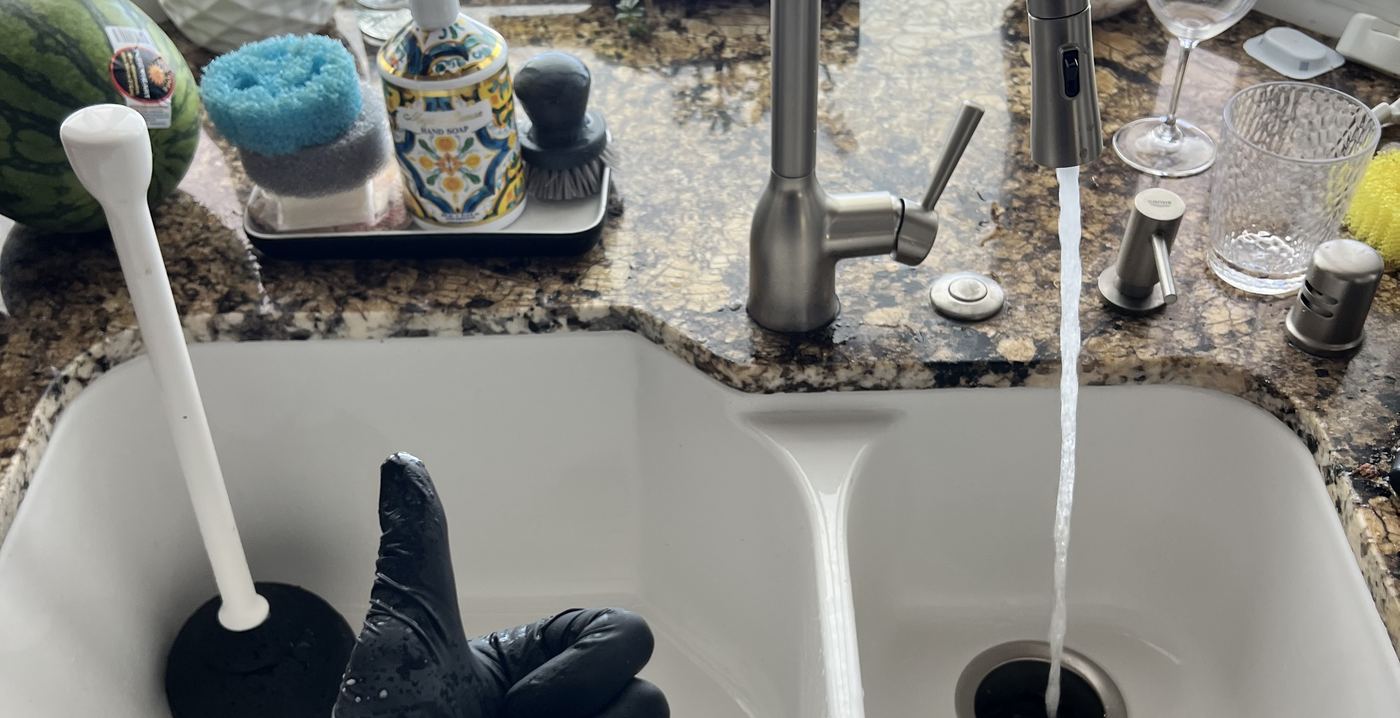
If your water heater seems to be struggling, hard water may be contributing. Southern California water carries heavy mineral loads, and the scale it leaves accumulates inside tanks, around heating elements, and throughout the system. That matters financially: water heating is about 18 percent of a typical home’s utility bill according to the U.S. Department of Energy, and scale makes every one of those percentage points work harder.
Popping or rumbling sounds during heating are sediment cooking on the tank bottom, and they are also a preview: the same water chemistry aging the heater is aging the pipes and fixtures. Addressing water quality helps the whole system, not just the tank.
5. Why do sewer backups keep happening?
A sewer backup is often treated as a one-time event, but recurring sewer problems almost always indicate a larger issue: tree roots, damaged or misaligned pipe, or an aging lateral that keeps inviting the same failure.
A camera inspection through our sewer line service is the honest way to see what is happening underground before anyone proposes digging. The warning pattern that separates a fixture clog from a sewer problem, multiple drains involved at once, is covered in when drain clogs become a bigger problem.
How do you stop treating symptoms?
- Track the pattern. Note what failed, where, and when. Three plumbing problems in a year is a pattern, and patterns have causes.
- Test the cheap fundamentals. A static pressure reading and a water meter test take minutes and rule the two biggest culprits in or out.
- Diagnose before repairing. A camera inspection or leak detection visit tells you why failures keep happening, so the next dollar goes at the cause.
- Fix the root once. Whether that is a regulator, a repipe, a drain line repair, or a sewer fix, one correct repair ends the cycle that five symptom-repairs could not.
The financial stakes are real: water damage categories account for roughly a quarter of homeowners insurance losses per the Insurance Information Institute, and recurring small failures are how houses drift into that statistic.
At Best Coast Plumbing, we focus on diagnosing the root cause so homeowners can make informed decisions about repairs and long-term fixes. Whether it’s drain replacement, sewer repair, water line service, or general plumbing repairs, the goal is to solve the problem once and solve it correctly. When specialized leak detection is needed, we can refer or coordinate with a qualified leak-detection contractor.
Best Coast Plumbing proudly serves Thousand Oaks, Moorpark, Simi Valley, Agoura Hills, Newbury Park, Calabasas, and surrounding areas. For a free onsite estimate, call (805) 410-9197.
Questions Homeowners Ask Us