


When Drain Clogs Become a Bigger Problem: What Homeowners Need to Know About Sewer Lines
 Reviewed by Brendan Lee, C-36 Licensed Plumbing Contractor
|
Published March 5, 2026
|
Updated August 6, 2026
|
6 min read
|
C-36 Licensed Plumbing Contractor, Lic. #1127602
Reviewed by Brendan Lee, C-36 Licensed Plumbing Contractor
|
Published March 5, 2026
|
Updated August 6, 2026
|
6 min read
|
C-36 Licensed Plumbing Contractor, Lic. #1127602
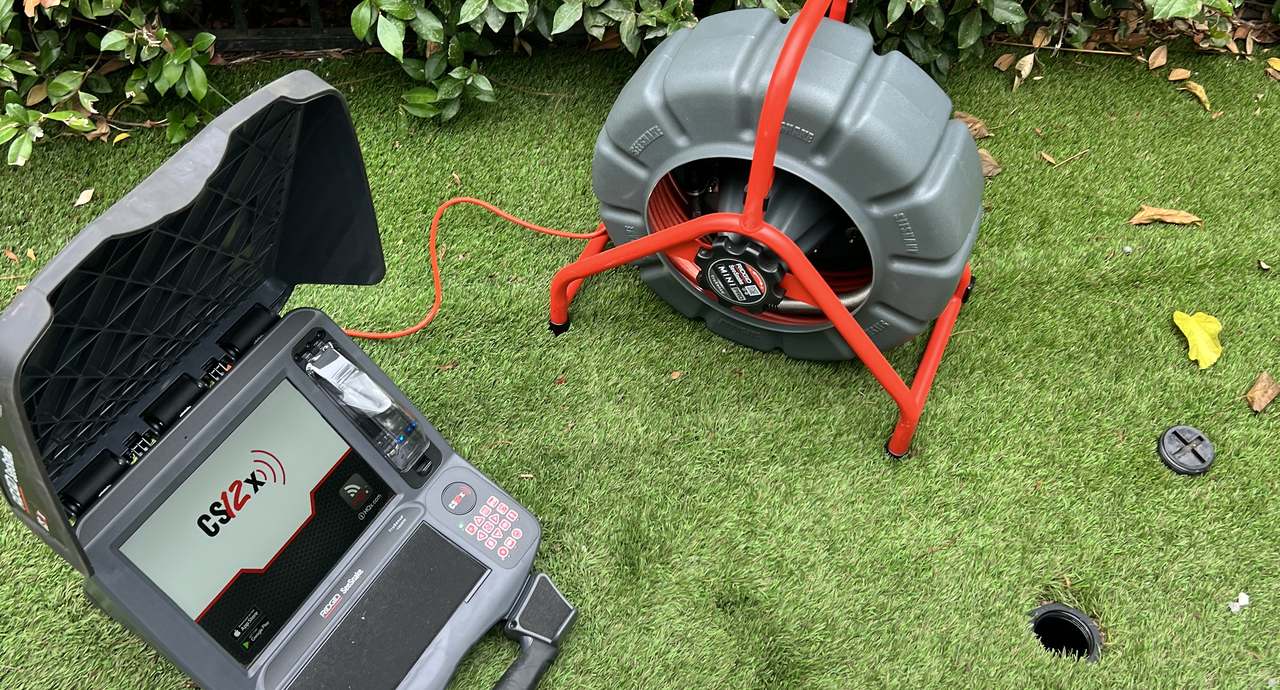
A clog becomes a sewer line problem when the symptoms span fixtures: multiple drains backing up at once, water rising in tubs when toilets flush, gurgling, or sewage odors. Those patterns point at the buried main line, and a sewer camera inspection identifies the cause, roots, buildup, breaks, or sags, before anyone digs.
Most homeowners meet their sewer line the same way: a clog that keeps coming back, then one bad morning when every drain in the house stops cooperating at once.
The sewer lateral, the buried pipe carrying everything from your house to the city main, is out of sight by design. Understanding how it fails, and how modern diagnosis works, saves homeowners from both the disasters and the unnecessary excavations.
How do you tell a fixture clog from a sewer line problem?
One fixture misbehaving is a branch-line problem. The sewer line announces itself with patterns across fixtures:
- Multiple drains backing up at once, especially the lowest ones in the house: tubs, showers, and floor drains.
- Water appearing where it does not belong: the shower gurgles or fills when the toilet flushes, or the washing machine drains into the tub.
- Gurgling sounds from toilets and drains as air gets pushed through partial blockages.
- Sewage odors inside the house or in the yard.
- A patch of lawn that is suddenly greener, soggy, or sunken along the line’s path.
If two or more of these are happening, stop treating individual fixtures. The problem is downstream of all of them. We touched on this pattern in why drains keep clogging, and it is the main reason chemical cleaners keep disappointing people, as covered in professional cleaning vs. chemicals.
What actually damages sewer lines?
Four causes account for nearly everything we see on sewer calls around the Conejo Valley:
- Tree root intrusion. Roots follow moisture to the tiny gaps at pipe joints, get inside, and grow until they block or split the line. Mature landscaping and aging pipes make this the number one offender in older neighborhoods.
- Grease and debris accumulation. Years of kitchen grease, wipes, and buildup narrow the line until ordinary use overwhelms it.
- Pipe deterioration. Clay and cast iron laterals from mid-century construction are reaching the end of their design life: joints shift, cast iron scales and cracks, clay breaks.
- Soil movement. Settling and shifting soil bends and separates buried pipe, creating sags where waste collects and joints where roots enter.
How is a sewer problem diagnosed without digging?
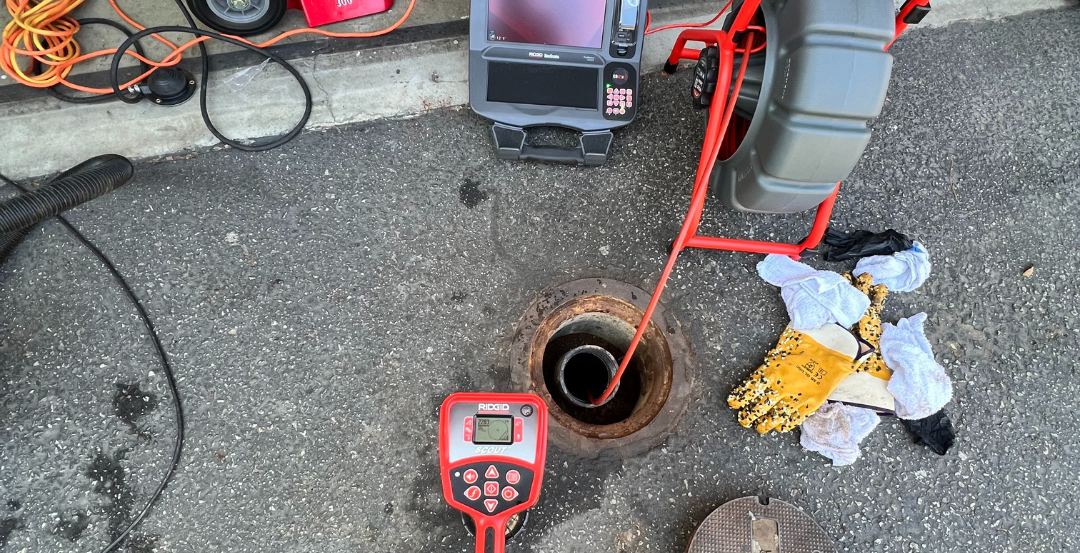
A sewer camera goes down the cleanout and shows the inside of the line in real time: roots, breaks, sags, buildup, and exactly how far from the house each problem sits. Combined with a locator, it turns a buried mystery into a marked spot on the lawn with a measured depth.
That diagnosis changes everything about the fix. Roots and buildup can often be cleared with hydro jetting and managed with maintenance. A single break can be repaired at one spot. Only a line failing along its whole run justifies replacement, and camera footage is how you know which situation you have before committing to any of them. The EPA’s guidance on sanitary sewer overflows makes the public-health case for not letting a failing line linger.
Why is ignoring sewer symptoms so expensive?
Because a failing sewer line only escalates. A partial blockage becomes a backup into the house, which means contamination cleanup on top of the plumbing repair. A root-cracked pipe keeps feeding the roots that crack it further. And a collapsed line takes away your choices: what could have been a scheduled, one-spot repair becomes an emergency excavation at whatever the calendar and weather allow.
Homes in older neighborhoods, where lines may be 50 years old or more, benefit from a camera inspection before there are symptoms at all, ideally before buying the house or planning a remodel. Knowing the line’s condition turns a potential emergency into a maintenance schedule.
Best Coast Plumbing provides camera inspections, hydro jetting, and sewer line repair and replacement across Thousand Oaks and the surrounding Ventura and LA County communities. Call (805) 410-9197 for a free estimate.
Questions Homeowners Ask Us