


Plumbing Emergencies: What Every Homeowner Should Do First
 Reviewed by Brendan Lee, C-36 Licensed Plumbing Contractor
|
Published April 1, 2026
|
Updated August 6, 2026
|
6 min read
|
C-36 Licensed Plumbing Contractor, Lic. #1127602
Reviewed by Brendan Lee, C-36 Licensed Plumbing Contractor
|
Published April 1, 2026
|
Updated August 6, 2026
|
6 min read
|
C-36 Licensed Plumbing Contractor, Lic. #1127602
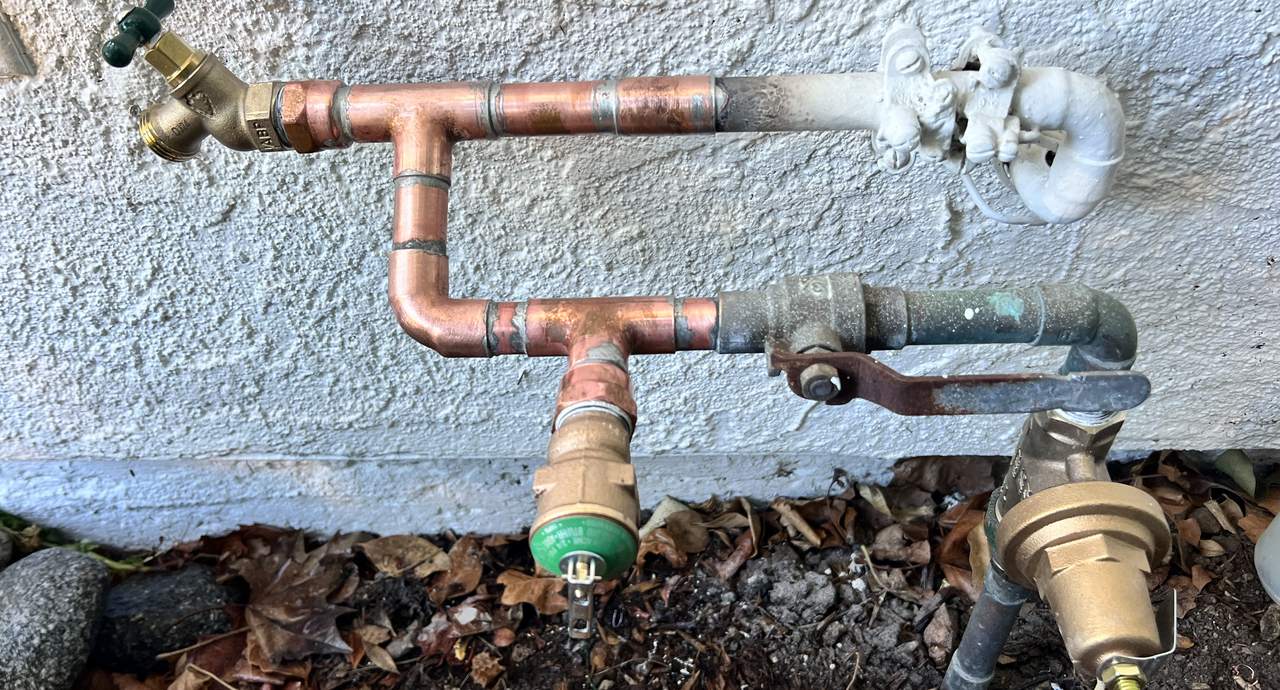
In a plumbing emergency, do four things in order: shut off the main water valve, shut down the water heater if the hot side or the main is off, contain the water and photograph the damage, then call a licensed plumber. Knowing where your shutoff valve is before you need it matters more than anything else on the list.
When a pipe bursts or a water heater lets go, the difference between a mess and a disaster is usually decided in the first ten minutes, before any plumber can possibly arrive.
This is the exact sequence we walk callers through on emergency calls. Read it once now, and you will know it when it counts.
Step 1: Shut off the water. Do you know where your valve is?
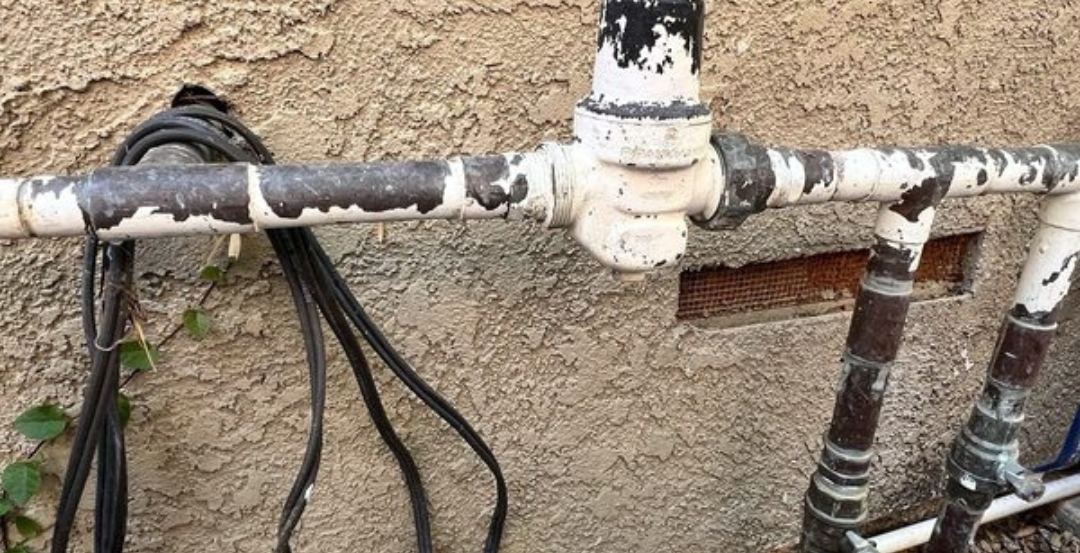
Everything else on this list matters less than this step. Your main shutoff is typically at the front of the house where the supply line enters, near the hose bib, or at the meter box by the street. Turn it clockwise until it stops. For a fixture-level problem like a burst toilet supply, the small angle stop under the fixture may be enough.
Do this today, not during the emergency: go find the valve, and confirm it turns. Older gate valves seize, and discovering that mid-flood is exactly the hidden problem we flagged in what we find during home inspections.
Step 2: Should you shut off the water heater too?
If the emergency involves the hot side, or you shut off the main for more than a few minutes, yes. A tank heater that keeps firing while the water supply is off can overheat and damage the tank. Turn a gas unit’s control to pilot or off; switch an electric unit off at its breaker. If the water heater itself is what is leaking, shut its cold inlet valve and its fuel or power at the same time.
Step 3: How do you contain the damage?
- Move furniture, rugs, electronics, and anything with legs out of the water’s path.
- Towels and buckets go under active drips; a trash bin under a ceiling bulge beats a collapsed ceiling later. If a ceiling is bulging with water, poke a small drain hole with a screwdriver and let it empty into a bucket; a controlled drain beats an uncontrolled collapse.
- Open cabinet doors under wet sinks and get air moving with fans if it is safe to run them.
- Stay clear of any water that could be reaching outlets or appliances, and kill the breaker to affected rooms if there is any doubt.
- Photograph everything before you clean up. The Insurance Information Institute’s claim guidance is consistent on this: documentation from the first hour makes claims dramatically smoother.
Step 4: When do you call, and what should you say?
Call as soon as the water is off, not after cleanup. Hidden damage is the rule with plumbing emergencies, not the exception: water travels along framing and pipe runs, and the wet spot you can see is rarely the whole story. A licensed plumber (verify any contractor at the CSLB) brings the tools to find what the water actually touched.
When you call our emergency line, tell us three things: what happened, whether the water is off, and what is still getting wet. Those three answers let us triage honestly, tell you what to do while help is on the way, and show up with the right parts on the van.
What counts as a plumbing emergency?
| Situation | Emergency? |
|---|---|
| Burst pipe or supply line, water flowing | Yes. Shut off the main and call now. |
| Sewage backing up into tubs or drains | Yes. Stop using water entirely and call now. |
| Water heater leaking from the tank | Yes. Shut its inlet valve and fuel or power, then call. |
| No hot water, no leak | Urgent but not an emergency. Same-day appointments are usually available. |
| One slow or clogged drain, no backup | Schedule it. Keep use light on that fixture until then. |
| Dripping faucet | Schedule it, and put a bowl under it in the meantime. |
The best time to prepare for a plumbing emergency is a boring afternoon: find your main shutoff, test it, show everyone in the house where it is, and save a plumber’s number in your phone. That five-minute drill is the whole difference between a story you tell and a claim you file.
Best Coast Plumbing answers 24/7 across Thousand Oaks and the greater Ventura and LA County area. Save the number now: (805) 410-9197.
Questions Homeowners Ask Us