


The Hidden Costs of Ignoring Small Plumbing Issues (And How to Avoid Them)
 Reviewed by Brendan Lee, C-36 Licensed Plumbing Contractor
|
Published June 5, 2026
|
Updated August 6, 2026
|
6 min read
|
C-36 Licensed Plumbing Contractor, Lic. #1127602
Reviewed by Brendan Lee, C-36 Licensed Plumbing Contractor
|
Published June 5, 2026
|
Updated August 6, 2026
|
6 min read
|
C-36 Licensed Plumbing Contractor, Lic. #1127602
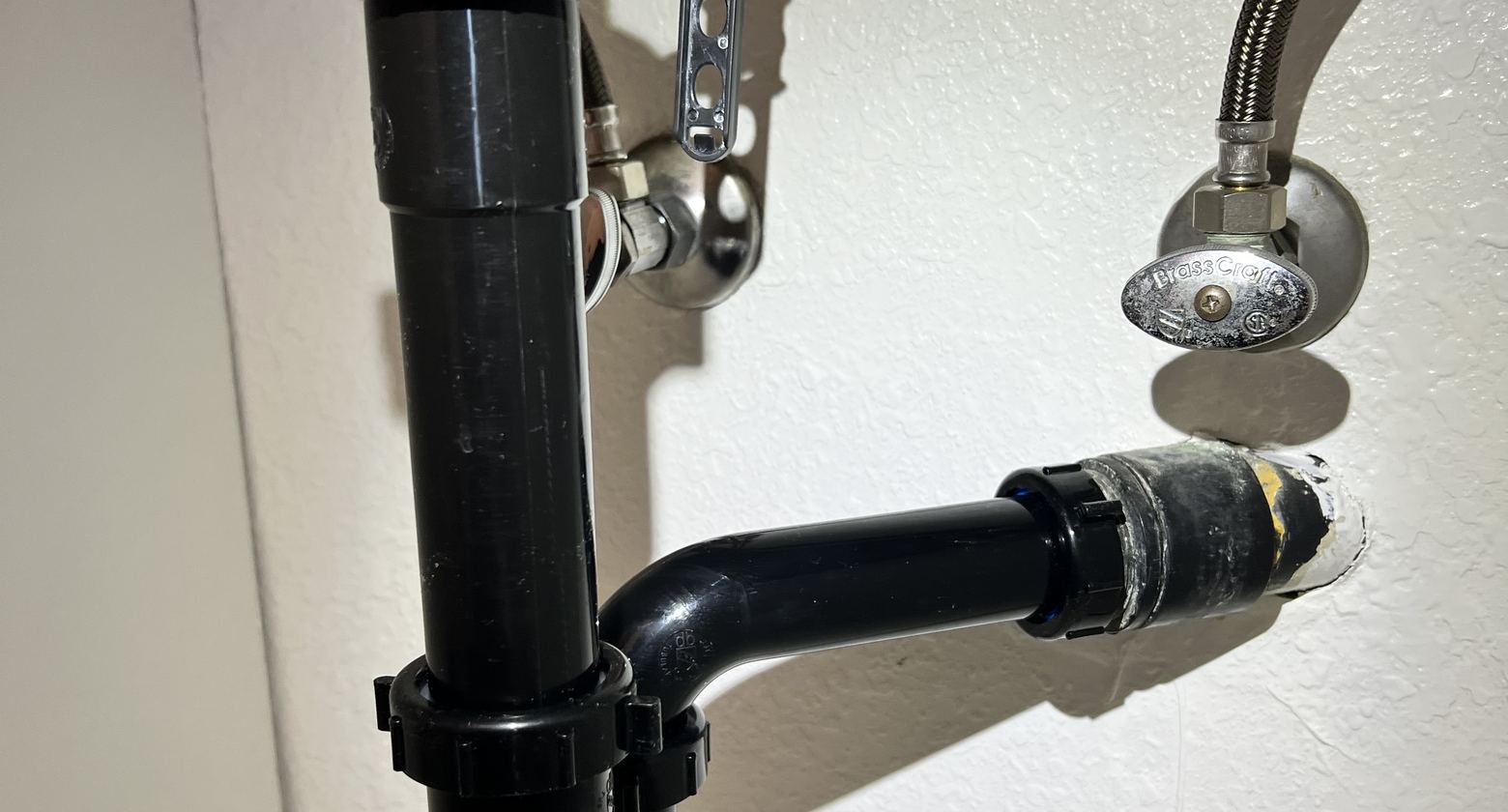
Ignoring small plumbing issues costs real money because they compound: household leaks waste nearly 10,000 gallons a year per the EPA, a running toilet can waste 200 gallons a day, and slow leaks feed mold and structural damage. Fixing problems at the drip stage is reliably the cheapest plumbing you will ever buy.
A dripping faucet is easy to live with. So is a toilet that runs a little, or a drain that has gotten slow but still works. None of them feel like problems worth a service call.
Here is what two decades of plumbing math says: the small issues are where the big repairs come from, and the gap between the cheap fix and the expensive one is usually just time.
How much does a small leak actually waste?
More than intuition suggests. The EPA’s Fix a Leak Week data puts the average household’s leaks at nearly 10,000 gallons per year, with a faucet dripping once per second wasting over 3,000 gallons annually on its own. You can check any drip against the USGS drip calculator and watch the numbers add up.
The water is only the visible cost. A slow leak under a sink quietly ruins the cabinet base. A drip inside a wall feeds mold and rots framing. The repair bill for water damage routinely dwarfs the plumbing fix that would have prevented it, which is why water damage makes up roughly a quarter of homeowners insurance losses according to the Insurance Information Institute.
Why is a running toilet worse than it sounds?
Because it never stops. The EPA notes a running toilet can waste around 200 gallons per day, which is more water than most families use for everything else combined. A worn flapper or fill valve is one of the cheapest parts in plumbing, and it routinely hides inside a water bill that has doubled. If your toilet hisses, refills on its own, or needs a jiggle to stop running, it is telling you where the bill went.
When does a slow drain become a real repair?
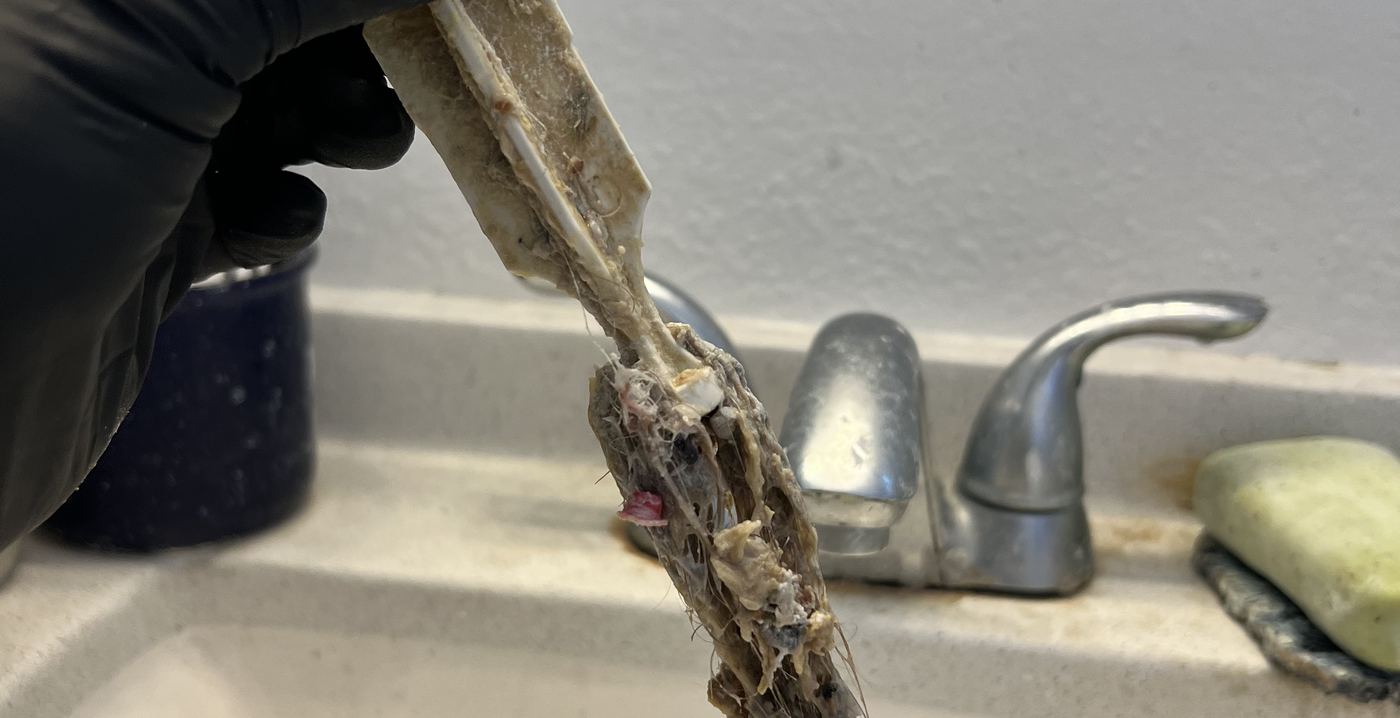
A slow drain is a partial clog with patience. The buildup narrowing the line does not stop growing because you got used to it, and the eventual full blockage picks its own moment, usually involving a holiday or a house full of guests. Cleared early, it is a quick drain cleaning visit on your schedule. We wrote more about the pattern in why drains keep clogging.
Which small issues deserve fast attention?
| Small symptom | What it becomes if ignored |
|---|---|
| Dripping faucet or showerhead | Thousands of gallons wasted, stained fixtures, worn valve seats |
| Running or hissing toilet | A doubled water bill and a fill valve that fails outright |
| Slow drain | A full blockage, and possibly a backup at the worst time |
| Damp spot or musty smell | Mold remediation and structural repairs |
| Minor drop in water pressure | A hidden leak or corroding line getting worse out of sight |
| Water heater popping sounds | Sediment shortening the heater’s life and efficiency |
Why do small problems get ignored?
Because they are polite. They do not flood anything or force a decision, so they slide down the list behind everything with a deadline. The problem is that plumbing failures are not linear: a component that has been mildly wrong for months can go fully wrong in an afternoon. The homeowners who spend the least on plumbing over the life of a house are consistently the ones who fix things at the annoying stage.
The habit that saves the most money
Walk your house once a season with your eyes and ears open: look under sinks, around the water heater, at the ceilings below bathrooms, and listen for toilets refilling on their own. Note your water bill month over month. Ten minutes of attention, four times a year, catches almost everything on the list above while it is still small.
Best Coast Plumbing serves Thousand Oaks and the surrounding Ventura and LA County area with free estimates and honest advice about what actually needs fixing. Call (805) 410-9197.
Questions Homeowners Ask Us