


Getting Your Plumbing Ready for the Holidays: A Southern California Homeowner’s Checklist
 Reviewed by Brendan Lee, C-36 Licensed Plumbing Contractor
|
Published October 27, 2026
|
7 min read
|
C-36 Licensed Plumbing Contractor, Lic. #1127602
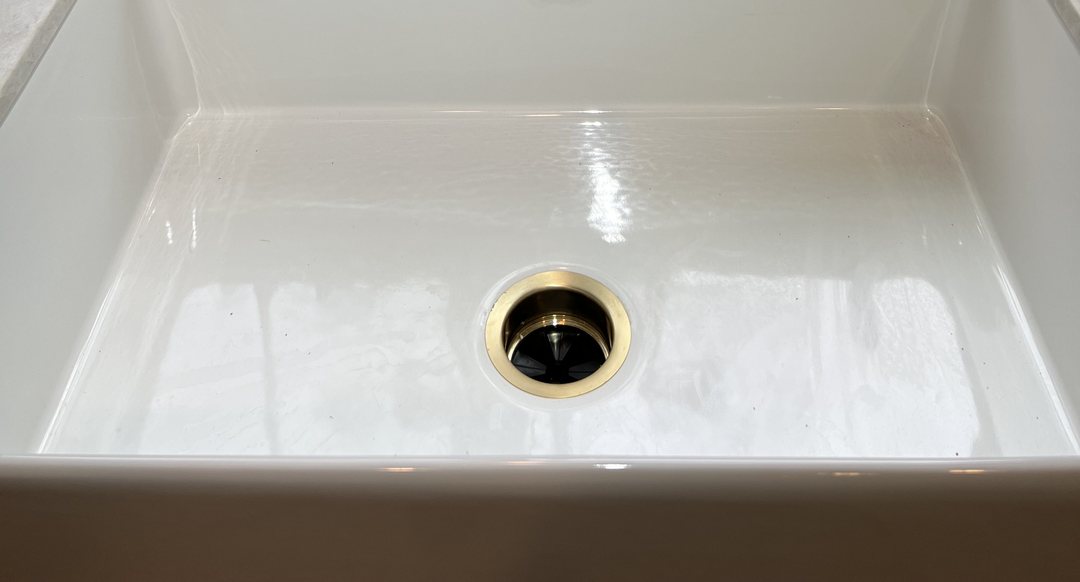
Holiday plumbing problems are mostly predictable. More people, more cooking, and more showers put a week of normal use on your drains, disposal, toilets, and water heater in a single day. Twenty minutes of checks a week before guests arrive, plus keeping grease out of the sink, prevents most of the calls we get between Thanksgiving and New Year’s.
What should I check before hosting?
Walk the house the weekend before company comes. You are looking for small problems that a full house will turn into big ones:
- Run every sink and tub for a minute and watch the drain. Water that pools, gurgles, or drains slower than it used to is a partial clog. It will not clear itself, and a houseful of guests is when it stops completely.
- Flush every toilet and listen afterward. A toilet that keeps running or refills on its own is leaking water inside the tank. EPA WaterSense estimates the average family can waste 180 gallons a week, or 9,400 gallons a year, from household leaks, and a running toilet is one of the easiest leaks to miss.
- Find your main water shutoff and make sure it turns. If a supply line bursts with a kitchen full of people, you want to know where the valve is and that it is not seized. Show one other adult in the house where it is.
- Check under the kitchen and bathroom sinks. Look for damp cabinet floors, stains, and corrosion on the supply valves. A slow drip under the sink is easy to fix on a Tuesday and expensive to discover on a holiday.
- Look at your water heater. Rust at the base, water in the drain pan, or popping and rumbling noises mean the tank is struggling. If it is near the end of its life, it is far better to find out now than with a full house waiting to shower.
- Clear outdoor drains and gutters. The rainy season usually arrives in Southern California around the same time as the holidays. Leaves and debris in yard drains and downspouts are what send water toward the foundation during the first big storm.
What never goes in the garbage disposal?
The short answer is fats, oils, and grease. InSinkErator puts it plainly in its own instructions: never put fats, oils, or grease into the disposal. Turkey drippings, gravy, bacon fat, and the butter left in the roasting pan all count. They go down warm and liquid, then cool and harden inside your drain line, where they catch everything that comes after them.
The rest of the holiday kitchen list is about volume and texture:
| Holiday kitchen item | Where it should go |
|---|---|
| Grease, drippings, gravy, cooking oil | Let it cool in a can or jar, then put it in the trash |
| Potato peels in large amounts | Trash or green waste bin, not the disposal all at once |
| Turkey bones and carcass | Trash |
| Celery, onion skins, corn husks, and other stringy scraps | Trash or green waste bin |
| Rice, pasta, and stuffing | Scrape plates into the trash; these swell with water |
| Coffee grounds | Trash or compost |
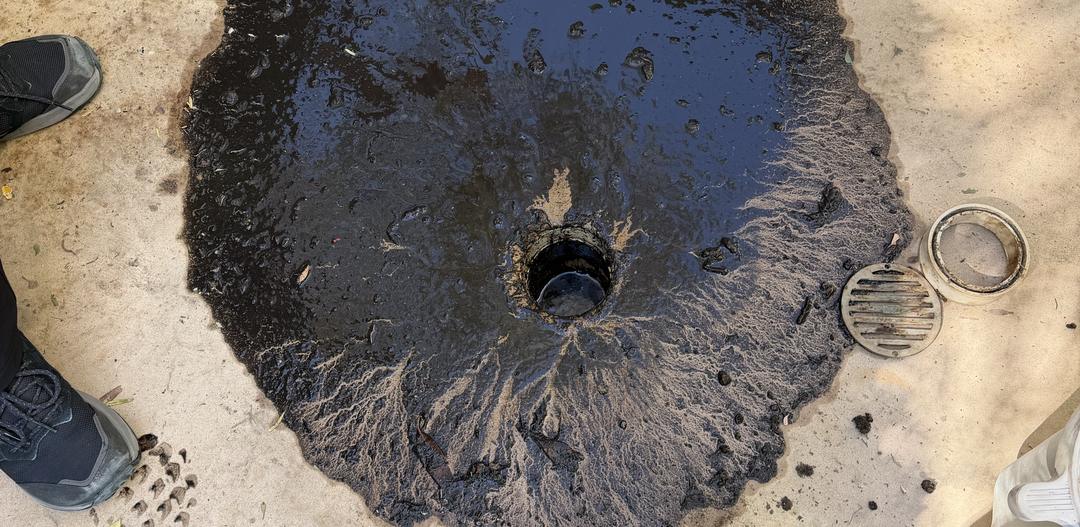
When you do run the disposal, run cold water first and keep it running for a few seconds after the grinding stops, which is how the manufacturer says to use it. Feed scraps in small amounts instead of clearing a whole platter at once. Our post on why drains keep clogging explains why grease is the starting point for most kitchen clogs, and why pouring store-bought chemicals on top of one usually makes things worse.
Should I turn up my water heater for guests?
Usually not. The U.S. Department of Energy notes that if your dishwasher heats its own water, you can set the water heater to 120 degrees Fahrenheit, and that is a comfortable setting for most households. Turning it up does not create more hot water; it just makes the water hotter, which raises the scald risk for kids and older guests.
What actually helps is spacing out showers by fifteen or twenty minutes so the tank can recover, and running the dishwasher and laundry after everyone has showered. If your hot water already runs out with your own household, more guests will not go well. That is a sign the tank is undersized or losing capacity to sediment, and it is worth having our water heater team take a look before the holidays rather than after.
When is a slow drain an emergency?
A slow drain by itself is a warning, not an emergency. It becomes urgent when the water has nowhere left to go:
- Water backs up in a different fixture. If running the washing machine makes the tub bubble, or flushing a toilet raises water in the shower, the clog is in the main line, not the fixture. Stop using water and call.
- Several drains slow down at the same time. One slow sink is a local clog. Every drain in the house slowing together points to the main sewer line, which is the line every fixture shares. Our post on what to know about sewer lines covers the warning signs.
- Sewage smell or water coming up from a floor drain or cleanout. Treat this as an emergency. The EPA lists blockages among the causes of sewage overflows and estimates there are at least 23,000 to 75,000 sanitary sewer overflows in the U.S. every year, not counting backups into buildings.
If any of those happen with guests in the house, stop running water, keep people out of the affected bathroom, and call. Our emergency plumbing team is available day or night, and our guide to what every homeowner should do first in a plumbing emergency walks through the first five minutes.
What we see every year
Holidays do not stop plumbing problems. In her Google review, Daisy L. describes a huge problem across three bathrooms on Mother’s Day, and says the bathrooms were fixed and cleaned up that same day. In her words: “I was impressed, reassured, and relieved that Best Coast Plumbing was able to come in such short notice.”
Almost every holiday call we take has the same shape. The warning signs were there a week or two earlier, a sink that drained a little slow or a toilet that ran now and then, and the extra load of a full house turned a small problem into a stopped-up kitchen or bathroom at the worst possible time. That is why the checklist above is mostly about catching the early signs while there is still time to fix them on a normal weekday.
Serving Thousand Oaks, Westlake Village, Newbury Park, and homes across Ventura County and the San Fernando Valley. All work is performed under our California C-36 plumbing contractor’s license (CSLB #1127602). Yard or storm drain already backing up? Our drain cleaning page covers storm drain and yard drain cleaning.
Frequently asked questions